

Introduction
Control cables are an essential component in various industries, playing a crucial role in ensuring the smooth operation of machinery and equipment. These cables are designed to transmit signals and commands to control devices, allowing for precise control and monitoring of systems. From industrial automation to automotive applications, control cables find wide-ranging use across different sectors. In this article, we will explore the diverse applications of control cables, highlighting their importance and versatility in today's technologically advanced world.
Industrial Automation
One of the primary applications of control cables is in industrial automation. In manufacturing plants, control cables are used to connect sensors, actuators, and other devices to control systems such as programmable logic controllers (PLCs). These cables facilitate the transmission of signals that control the operation of machines and processes, enabling automated production and improving efficiency. Control cables are crucial in ensuring that the right signals are sent at the right time, allowing for precise control and monitoring of industrial systems.
Control cables used in industrial automation are designed to withstand harsh environmental conditions, such as extreme temperatures, oil exposure, and mechanical stress. They are often constructed with durable materials and insulation to ensure reliable performance in demanding industrial settings. The flexibility and durability of control cables make them ideal for use in factory automation, robotics, and other industrial applications where reliable signal transmission is essential.
Automotive Applications
Control cables also play a vital role in the automotive industry, where they are used in various vehicle systems for control and communication purposes. In modern automobiles, control cables are employed in systems such as electronic throttle control, transmission control, and brake systems. These cables help transmit signals from sensors and control units to the corresponding actuators, allowing for precise control of vehicle functions.
Control cables used in automotive applications are designed to meet stringent performance and safety standards. They must be able to withstand vibrations, temperature fluctuations, and exposure to chemicals and fluids commonly found in automotive environments. The reliability and durability of control cables are crucial in ensuring the safe and efficient operation of vehicle systems, contributing to overall driver and passenger safety.
Aerospace and Defense
In the aerospace and defense industries, control cables are used in a wide range of applications, from aircraft control systems to missile guidance systems. These cables play a critical role in transmitting signals and commands that control the movement and operation of various components in aerospace and defense systems. Control cables used in these industries are designed to meet stringent requirements for performance, reliability, and safety.
Aerospace control cables are subjected to rigorous testing and certification processes to ensure they meet the high standards demanded by the industry. These cables must be able to withstand extreme conditions, including high temperatures, pressure differentials, and electromagnetic interference. The precision and reliability of control cables are essential in ensuring the safe and efficient operation of aircraft and defense systems, where any signal failure could have serious consequences.
Telecommunications and Networking
Control cables are also widely used in the telecommunications and networking industries to transmit signals and data between devices and systems. In telecommunications applications, control cables are used to connect equipment such as routers, switches, and servers to provide reliable communication services. These cables help ensure the seamless transmission of voice, data, and video signals across networks, facilitating efficient communication and connectivity.
Control cables used in telecommunications and networking applications are designed to meet specific requirements for signal integrity, bandwidth, and interference resistance. They are often shielded to protect against electromagnetic interference and crosstalk, ensuring that signals are transmitted accurately and reliably. The versatility of control cables makes them suitable for a wide range of telecommunication and networking applications, from data centers to fiber optic networks.
Medical and Healthcare
Control cables find diverse applications in the medical and healthcare industries, where they are used in various medical devices and equipment for monitoring and control purposes. In medical imaging systems, control cables are employed to transmit signals between imaging sensors and processing units, allowing for real-time monitoring and image capture. These cables play a crucial role in ensuring the accurate and reliable operation of medical equipment, contributing to patient care and diagnosis.
Control cables used in medical and healthcare applications are designed to meet strict safety and performance standards to ensure patient safety and device reliability. They must be able to withstand sterilization processes, exposure to chemicals, and mechanical stress commonly encountered in medical settings. The precision and reliability of control cables are essential in medical applications, where any signal failure could have serious implications for patient care and treatment.
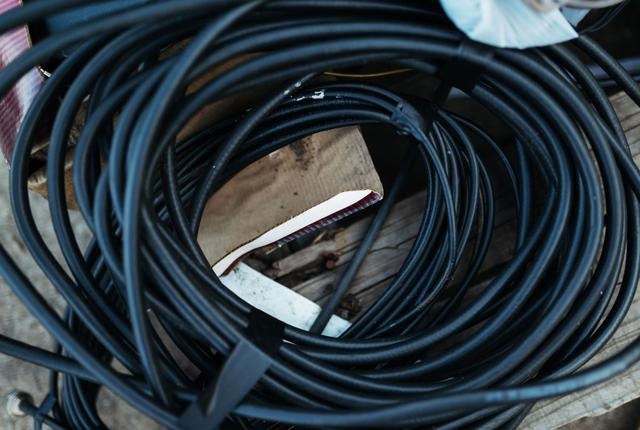
rubber sheathed flexible cable and Automation
Control cables are integral to the operation of robotics and automation systems, where they are used to connect sensors, actuators, and control units for precise control and monitoring. In industrial robotics, control cables facilitate the transmission of signals that control the movement and operation of robotic arms, grippers, and other components. These cables enable robots to perform complex tasks with accuracy and efficiency, contributing to increased productivity and flexibility in manufacturing processes.
Control cables used in robotics and automation applications are designed to withstand repetitive motion, high speeds, and harsh environmental conditions. They are often constructed with flexible materials and insulation to ensure reliable performance in dynamic robotic applications. The precision and durability of control cables are crucial in ensuring the safe and efficient operation of robotic systems, where any signal loss or delay could result in production downtime and costly errors.
Conclusion
Control cables are versatile components that find wide-ranging applications across various industries, from industrial automation to aerospace and defense. These cables play a crucial role in transmitting signals and commands that control the operation of machinery and equipment, enabling precise monitoring and control of systems. The reliability, durability, and precision of control cables are essential in ensuring the safe and efficient operation of critical systems in today's technologically advanced world. As technology continues to advance, the importance of control cables in enabling automation, connectivity, and innovation will only continue to grow.